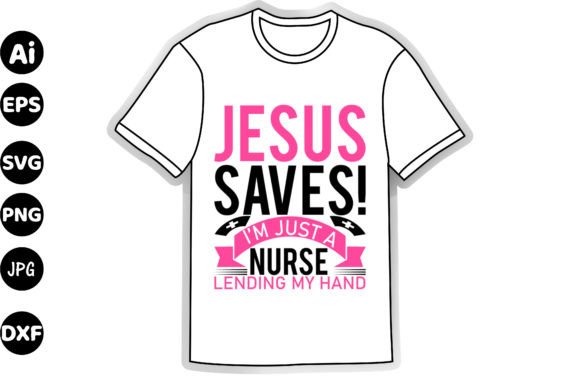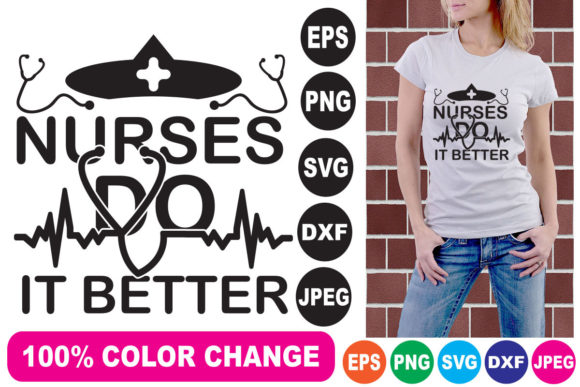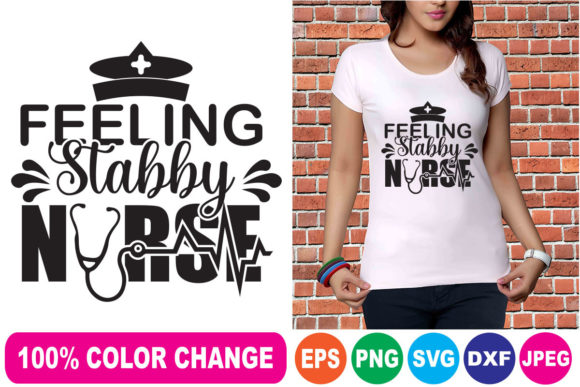
Feeling Stubby Nurse T Shirt Design
A Design That Knows Its Audience
When I first opened the Feeling Stubby Nurse T Shirt Design, I immediately recognized the kind of humor that works in healthcare. It is not loud or aggressive. It carries that dry, self-aware tone that nurses use to get through long shifts. The design feels like an inside joke shared among people who understand the physical and emotional demands of the job. That alone makes it a strong candidate for custom apparel, personalized gifts, and small shop merchandise. As someone who has stitched hundreds of embroidery files for healthcare professionals, I can tell you this design lands in the sweet spot between playful and professional. It does not try too hard, and that is exactly why it works.
The layout is clean and centered, which makes it naturally compatible with t-shirts, sweatshirts, and tote bags. The lettering has enough personality to feel custom but remains legible at a glance. That is critical for any machine embroidery design meant for real wear. If the text gets muddy or the spacing feels off, the whole project falls flat. This design avoids those pitfalls. The overall mood is friendly, grounded, and easy to pair with different thread colors and fabric textures.
How It Performs Across Real Products
I tested the Feeling Stubby Nurse T Shirt Design on several product types to see how it held up under different conditions. The first run went onto a mid-weight cotton sweatshirt in a natural cream color. I used a dark teal thread for contrast. The stitching came out crisp, and the satin stitch elements maintained clean edges. The fill stitch areas felt well-balanced, not too dense, which means the fabric did not pucker. That is a big win for anyone running a craft business or selling custom apparel at markets or through an Etsy shop.
I also stitched it onto a structured tote bag made from heavy cotton canvas. This is where many embroidery designs struggle because the fabric is thick and unforgiving. The design handled it well. The lettering stayed sharp, and the overall shape did not distort. For anyone making embroidered patch versions or planning to sell handmade product lines, this design offers reliable consistency. It also works nicely on aprons, pillow covers, and kitchen towels, especially if you choose thread colors that match the vibe of the shop or the recipient.
I tried it on a lightweight baby bodysuit as well, just to push the limits. The design is not too large, so it fits comfortably on smaller garments without overwhelming the fabric. For baby embroidery or holiday embroidery gifts, this could be a charming option for a nurse parent or a baby shower present with a healthcare theme. Just be mindful of the stabilizer choice when working with delicate knits.
Where to Use This Design Carefully
No design is perfect for every surface, and the Feeling Stubby Nurse T Shirt Design has a few situations where I would recommend extra caution. The first is small hoop sizes. If you are working with a 4x4 hoop, check the design dimensions before you commit. The layout is straightforward, but if you try to squeeze it into a space that is too tight, the lettering may lose its breathing room. That affects readability and the overall finish.
Stretchy fabrics like lightweight jersey or ribbed knits require careful stabilization. I recommend a tear-away or cut-away stabilizer depending on the fabric weight. Stitch density is moderate in this design, so puckering is unlikely if you prepare the fabric properly. But thin fabric can still show shadowing if the thread colors are too dark. Test on a scrap piece first. That advice applies to any digital embroidery file, but especially when the design includes solid fill areas.
Dark fabric backgrounds also need attention. The design relies on contrast to pop. If you stitch it on a black t-shirt with dark thread, the message will get lost. Stick with light or mid-tone fabrics, or use bright thread colors that stand out. For commercial embroidery work where consistency matters, I always run a black and white mockup first. It reveals contrast issues before thread touches fabric.
Curved surfaces like caps and fitted hats present a challenge for any design with horizontal lettering. The Feeling Stubby Nurse T Shirt Design is not inherently curved, so you may need to adjust the placement or use a curved hoop adapter. I would not recommend this design for the front of a cap unless you are willing to test the layout carefully. It works much better on flat or gently curved surfaces like sweatshirts, tote bags, and aprons.
Visual Appeal and Product Value
The visual personality of this design is what sells it. It looks like something a nurse would actually wear, not a generic quote slapped onto a shirt. That authenticity adds value to handmade product listings and personalized gift orders. Customers respond to designs that feel genuine. When you stitch this onto a sweatshirt embroidery project or a tote bag design, the finished product looks intentional. That builds trust with buyers and strengthens brand identity for small shops.
For Etsy sellers and small shop product creators, presentation matters. The design works well in printable mockup photos. Its clean layout photographs nicely on flat lays and model shots. I have found that designs with clear focal points and moderate detail tend to convert better in online listings. This design fits that pattern. It also works for design assets like digital previews or social media posts, because the message is easy to read at thumbnail size.
Giftability is another strong point. Nurses receive a lot of generic gifts. A custom embroidered item with a design that actually reflects their daily reality stands out. Whether it is for a holiday, a graduation, a retirement, or just a thank you, the Feeling Stubby Nurse T Shirt Design carries emotional weight without being sentimental. That balance is hard to find in ready-made applique design or embroidery files.
Practical Notes for Embroidery Designers
Before you use this design in any embroidery project, take a few minutes to run through a standard checklist. Test the design on scrap fabric that matches your final product. Check your thread color contrast against both light and dark fabric backgrounds. Verify the hoop size you plan to use and make sure the design fits comfortably with room to spare. Inspect small details, especially if the design includes thin lettering or decorative accents. A quick test stitch can save you from wasting material on a flawed run.
Stabilizer choice matters here. For woven fabrics, a medium-weight tear-away works well. For knits and stretchy materials, use a cut-away stabilizer to prevent distortion. If you are making embroidered patch versions, consider using a water-soluble topping to keep the stitches crisp on textured surfaces. Patch production also requires careful attention to the border stitching. The design does not include a built-in border, so plan your edge finish ahead of time.
Thread color selection can shift the entire mood of the design. A bright coral or turquoise thread on a white t-shirt feels fun and casual. A deep navy or forest green on a cream sweatshirt feels more understated and professional. I recommend testing at least two color combinations before committing to a production run. That is especially important if you are selling finished product items or using the design for commercial embroidery orders.
Licensing is another factor to confirm before you sell items made from this design. If you are a digital product seller or plan to include the design in a bundle of design assets, verify the terms of use. Some machine embroidery design files come with restrictions on commercial use or resale. Always check the license agreement before stitching for clients or listing finished products in your shop. This protects your business and builds trust with your customers.
A Real Scenario: Preparing a Custom Tote for a Nurse
A friend of mine works nights in a busy emergency department. She asked for a custom tote bag that she could carry her essentials in. I chose the Feeling Stubby Nurse T Shirt Design because it matched her sense of humor. I stitched it onto a heavy canvas tote with a light gray thread. The contrast was subtle but readable. After the first wash, the design held up without any thread breaks or fabric puckering. She told me three other nurses from her unit asked where she got the bag. That is the kind of organic response that builds a craft business. When a design connects with people, they want to buy it. That is the real test of any embroidery file. This one passed.
If you are a small business owner or creative entrepreneur looking for designs that speak to specific audiences, the Feeling Stubby Nurse T Shirt Design is worth adding to your library. It works across multiple product types, it stitches cleanly, and it resonates with the people it is meant for. That combination is rare and valuable in the craft business world.
Whether you are making a one-off personalized gift for a friend or building a product line for your shop, this design gives you a solid foundation. Just remember to test your materials, check your hoop size, and confirm your licensing before you start stitching. The difference between a good finished product and a great one often comes down to those small preparation steps.