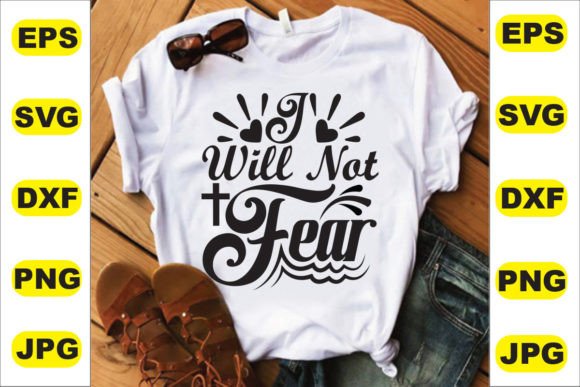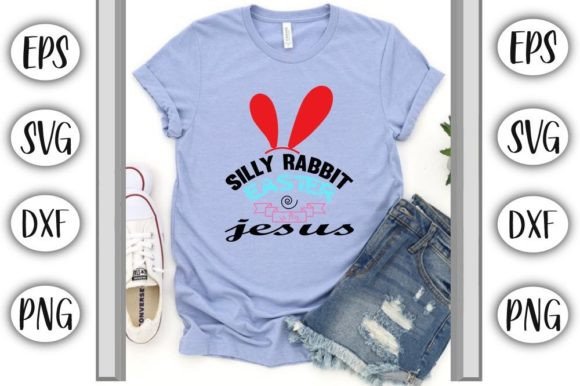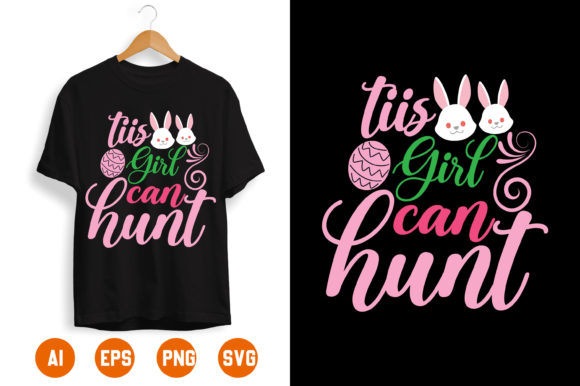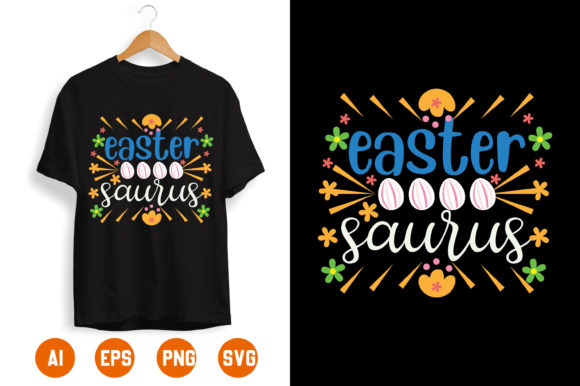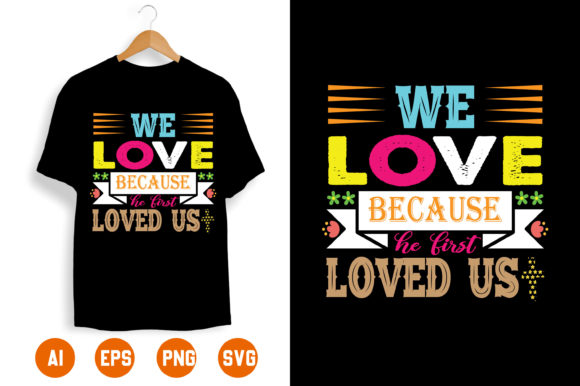
Easter T-shirt Design 15: A Hands-On Review
When I first opened Easter T-shirt Design 15, I was immediately struck by its quiet confidence. This is not a loud, cartoonish Easter motif. The mood here is softer, more refined—think vintage Easter greeting rather than mass-produced novelty. The composition balances a subtle central motif with clean negative space, which tells me right away this design was built for real-world embroidery work, not just screen mockups. As someone who regularly tests machine embroidery designs before committing them to client projects, my first instinct was: this belongs on a premium sweatshirt or a personalized tote bag, not just a basic tee.
The Visual Personality and Where It Shines
Easter T-shirt Design 15 has a gentle, hand-drawn quality that reads as thoughtful rather than busy. The linework suggests a confident hand, and the fill areas are compact enough to stitch cleanly without distorting the fabric. This design naturally fits into custom apparel for spring markets—think boutique children's clothing, personalized Easter gifts for godchildren, or even a small run of embroidered kitchen towels for a craft fair. I immediately pictured it on a cream-colored sweatshirt with sage green thread, or as a single-color embroidered patch sewn onto a linen apron. The visual weight is light enough to read beautifully on baby embroidery projects, yet substantial enough to anchor a tote bag design for a handmade shop.
The layout respects the natural shape of a T-shirt chest or a sweatshirt pocket area. It does not fight the garment; it enhances it. That is a hallmark of a design that has been digitized with real production in mind. For Etsy sellers and small shop product creators, this means fewer tension headaches and happier customers.
Real Case: The Custom Tote Bag Test
I decided to stitch Easter T-shirt Design 15 onto a sturdy canvas tote bag as a spring limited-edition item for a local boutique. I used a medium-weight cutaway stabilizer and a 60-weight bobbin thread to keep the back clean. The design stitched out without any shift or distortion, even through the heavier fabric weave. The satin stitch details held their edge nicely, and the fill stitch areas covered evenly without gaps. I chose a muted coral thread on natural canvas, and the result looked like something you would find in a high-end gift shop, not a mass-produced bin.
This is the kind of performance that builds customer trust. When a buyer receives a personalized gift like an embroidered tote, they notice the stitch quality. They may not say it aloud, but they feel the difference between a design that was tested and one that was rushed. Easter T-shirt Design 15 passes that test. It elevates the handmade presentation without extra effort from the embroiderer.
Where This Design Needs Careful Consideration
No design is perfect for every surface, and Easter T-shirt Design 15 has areas that require attention. The finer details—particularly the thin stems and small accent marks—demand a stable fabric. I would be cautious using this on stretchy fabric like lightweight jersey or ribbed knits without a firm stabilizer. The stitch density is moderate, but those delicate lines can pull or pucker if the fabric shifts. For thin fabric like a fine cotton tee, I recommend a tear-away stabilizer with a light topping to keep the stitches crisp.
On dark fabric, the design relies heavily on thread color contrast. If you choose a dark thread on a dark ground, those small details will disappear. Always test a black and white mockup first to confirm readability. For curved surfaces like caps, the design's shape may require centering carefully; it is not naturally curved, so a hoop size that accommodates the full design without distortion is essential. I also advise against placing it on heavily layered garments like a lined jacket, where the extra thickness can compromise stitch registration.
For commercial embroidery runs, the design's moderate detail level means it can be scaled slightly without losing integrity, but I would not push it below a certain size. The small elements will become muddy if reduced too much. Check your embroidery file specifications before resizing.
How It Affects Product Value and Buyer Engagement
In my experience, a design like Easter T-shirt Design 15 directly impacts how a product is perceived. A clean, well-stitched motif signals quality. It tells the buyer that the maker cared enough to choose a design that would hold up after washing. For holiday embroidery items—especially Easter, which is a gifting-heavy season—this matters enormously. Grandparents, godparents, and gift-givers want something that looks special but also lasts. This design delivers that balance.
For handmade product sellers listing on Etsy or at craft fairs, the design translates well into printable mockups because it has clear visual boundaries. It photographs nicely on a flat lay and reads well in a thumbnail. That is a practical advantage for digital product sellers and creative entrepreneurs who rely on strong visuals to drive sales. The design also works as a design asset for brand consistency across a small spring collection. Use it on a tee, a tote, and a tea towel, and you have a coordinated line without extra digitizing costs.
Practical Embroidery Designer Notes
Before you stitch Easter T-shirt Design 15 on a client project or for your own small shop product, here are the steps I always follow with any new machine embroidery design:
- Test on scrap fabric first. Use the exact fabric type you plan to stitch on. Do not skip this. I learned this lesson the hard way with a similar design that looked perfect in the hoop but pulled on a lightweight knit.
- Check thread color contrast. The design has subtle areas that need separation. A low-contrast thread palette will flatten the look. Test both a light and a dark background before committing.
- Review stitch density. While the density is reasonable, every machine handles it differently. If your machine tends to pack stitches, reduce density slightly in your software or use a lighter stabilizer.
- Confirm hoop size. The design fits within a standard hoop, but always measure. Do not assume it will fit a mini hoop. If you plan to use it for baby embroidery on a small onesie, test the centering carefully.
- Inspect small details. The thin lines and tiny accents are charming, but they are also the first place thread breaks happen. Use a sharp needle and quality thread. A 75/11 embroidery needle works well here.
- Test in black and white mockups. Convert your design to grayscale in your software. If any area becomes illegible, adjust thread colors or simplify the palette.
- Use proper stabilizer. For most applications, a medium-weight cutaway stabilizer is safe. For applique design adaptations, you may need a heavier stabilizer to support the additional layers.
- Verify licensing. If you plan to sell finished items or use this as commercial embroidery inventory, confirm the license terms. Do not assume. I have seen too many Etsy sellers face issues because they skipped this step.
- Consider washability. For items that will be washed frequently—like tea towels, pillow covers, or baby clothes—the design holds up well, but the thread color choice matters. Dark threads on light fabric tend to fade more gracefully than light threads on dark fabric.
- Test on a finished product mockup. Before cutting into your good fabric, stitch the design onto a sample garment or embroidered patch. See how it interacts with seams, pockets, and the garment's natural drape.
Final Thoughts on Easter T-shirt Design 15
I have tested dozens of Easter-themed embroidery files over the years, and many of them feel rushed—too dense, too cutesy, or too fragile to survive a single wash. Easter T-shirt Design 15 is not that. It feels like a design that was built by someone who understands the limits of thread and fabric. It respects the medium. It gives the embroiderer room to choose thread colors that match their brand, and it gives the end customer a product that looks intentional.
For apparel decorators and handmade shop owners, this design is a solid addition to a spring lineup. It works for personalized gifts, custom apparel, and even as a repeat motif for a small collection. It will not save a poorly digitized project, but if you do your homework—test, stabilize, and choose your fabric wisely—it will reward you with a clean, professional finish that sells itself.
I would confidently use Easter T-shirt Design 15 on a sweatshirt embroidery order for a returning client, or as a feature design on a limited-edition tote bag for spring market season. It earns its place in my active library. If you are on the fence, stitch one test and judge for yourself. That is the only way to know if a design truly performs.